Wet Slip vs. Dry Storage: Which Is Right for Your Boat?
Last Updated: June 12, 2026
One of the most important ownership decisions happens after you buy your boat. Understanding the differences between wet slips and dry storage can help you choose the option that best fits your boating lifestyle.
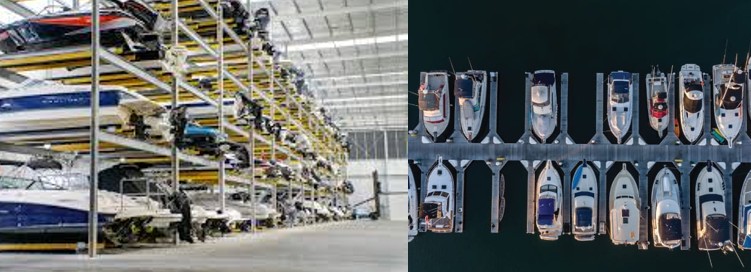
Most first-time boat buyers spend a lot of time thinking about boat size, engines, features, and electronics.
What often gets overlooked is where the boat will live when you're not using it.
Along the Gulf Coast, the two most common storage options are wet slips and dry storage. Each has advantages and tradeoffs, and the right choice often depends on how frequently you boat and what type of ownership experience you're looking for.
What Is a Wet Slip?
A wet slip is exactly what it sounds like—the boat remains in the water at a marina when not in use.
Owners typically have a dedicated slip and can walk directly to their boat whenever they want to head out.
Advantages
- Immediate access to the boat
- No launch delays
- Ideal for frequent use
- Convenient for larger vessels
- Easy entertaining and spontaneous outings
Considerations
- Bottom growth and marine buildup
- More frequent bottom cleaning
- Exposure to weather and sun
- Potentially higher maintenance requirements
What Is Dry Storage?
Dry storage keeps the boat out of the water when not in use.
Depending on the facility, boats may be stored indoors, under cover, or in outdoor rack systems. Marina staff typically launch and retrieve the boat when needed.
Advantages
- Reduced exposure to saltwater
- Less hull growth and fouling
- Lower long-term cosmetic wear
- Additional protection from weather
- Often lower maintenance costs
Considerations
- Advance launch requests may be required
- Less spontaneous access
- Storage size limitations may apply
- Availability varies by marina
Which Option Is More Popular in Northwest Florida?
The answer depends largely on boat size and usage patterns.
Many owners of smaller and mid-sized boats appreciate the convenience and protection offered by dry storage.
Owners of larger cruisers and yachts often prefer wet slips because launching and retrieving larger vessels becomes less practical.
Both options are common throughout Pensacola and the Emerald Coast.
Think About How You Actually Boat
One of the questions I often ask buyers is:
"How often do you realistically expect to use the boat?"
If you're boating several times each week, immediate access may be extremely important.
If you're boating primarily on weekends, the additional protection of dry storage may be more appealing.
Understanding your habits helps determine which solution provides the best ownership experience.
Cost Considerations
Storage costs vary significantly depending on location, marina amenities, boat size, and available services.
While storage cost is important, I encourage buyers to focus first on convenience and long-term ownership goals.
Sometimes the least expensive option isn't necessarily the option you'll enjoy the most.
My Advice
There is no universal right answer.
The best storage solution depends on your boat, your boating habits, and the experience you want as an owner.
Before purchasing a boat, spend some time researching local storage options and understanding how each one fits your lifestyle.
The right storage decision can make ownership easier, more enjoyable, and less stressful for years to come.
Thinking About Boat Ownership?
I'd be happy to help you think through storage options, ownership considerations, and the type of boat that best fits your boating goals.
Talk to Tom